Landing at Innsbruck Airport (INN)
Innsbruck is a small, single-terminal airport and that works in your favour. Arrivals, baggage reclaim and the exit all sit on the ground floor, and you are usually outside within twenty minutes of the doors opening.
One terminal, one arrivals hall
There is no terminal to guess at and no inter-terminal shuttle to catch. Your hoppa e-ticket names the meeting point for your flight, and your driver is tracking the flight rather than the schedule.
- Innsbruck runs at its busiest between December and March, when winter charters land in tight waves
- Saturday is the peak — the whole Arlberg changes over on the same day
- If your flight is diverted or heavily delayed, call the number on your e-ticket rather than waiting to be found
Meeting your hoppa driver
Your driver waits in the arrivals hall, holding a name board with your surname. Check your e-ticket for the exact meeting point on your arrival day. If you cannot see them, stay where you are and call the number on the e-ticket — hoppa answers in an average of 11 seconds, and it is a person, not a chatbot.
Tip: download your lift pass confirmation, your accommodation address and your e-ticket before you land. Mobile coverage on the Arlberg pass road and inside the Flexen galleries is patchy, and you will want the address to hand when the driver asks.
Currency & cards
Austria uses the euro, so there is nothing to change if you fly into Innsbruck, Salzburg, Friedrichshafen or Munich. Fly into Zurich or Altenrhein and you land in Switzerland, where the currency is the Swiss franc — worth knowing if you plan to stop on the way, though your hoppa fare is fixed in pounds before you travel either way.
Cards work almost everywhere in Lech, in the hotels, the lift offices and the mountain restaurants. Carry a little cash anyway for a hut lunch on a busy day.
Baggage & ski gear
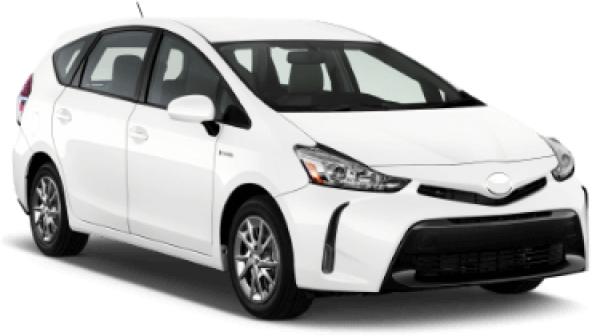
Skis and boards are checked in as special baggage and come off a designated oversized belt rather than the standard carousel — follow the signed oversized baggage area and allow extra time for it. Tell hoppa how many ski, board and boot bags you are carrying when you book, so the vehicle sent has the space.
Innsbruck to Lech — the 115 km, 1 hr 35 min run
Lech sits at 1,450 m in Vorarlberg, on the far side of the Arlberg from Innsbruck. There is no station in the village, so the transfer covers the whole distance in one leg rather than handing you over halfway.
The route step-by-step
- Leave the airport on the A12 Inntal autobahn, heading west down the Inn valley
- Join the S16 Arlberg Schnellstrasse at Landeck and climb through the Stanzertal
- For Lech, leave the S16 before the Arlberg road tunnel and take the Arlberg pass road up through St. Anton and St. Christoph
- Turn off at Alpe Rauz onto the Flexenstrasse (L 198) — the avalanche-galleried road over the Flexen Pass
- Through Zürs, then the last few kilometres down into Lech
Included in your fare: Austrian motorway tolls and the vignette are part of your fixed hoppa price. Drive it yourself and both are on you.
Winter driving law: winter equipment is compulsory
Legal requirement: From 1 November to 15 April, vehicles driven in wintry conditions in Austria must have winter tyres, or carry snow chains for use on snow-covered roads. On the Arlberg in January that is not a technicality — it is most days. hoppa's local operators are winter-equipped as standard, which is one of the sharper differences against a hire car picked up at the airport.
The Flexen Pass — the bit people worry about
The Flexenstrasse is the only practical way into Lech, and it has been kept open through the winter since 1936. It runs through a chain of avalanche galleries and tunnels — the longest, the Flexengalerie, covers about 1,550 m of road on its own — precisely because the slopes above it slide.
- Short closures do happen in heavy snow, usually for controlled avalanche clearance
- Clearance is fast and closures are normally measured in hours, not days
- Build a little slack into a same-day departure flight rather than booking the tightest connection home
- If the pass road above St. Christoph is shut, the alternative runs through the Arlberg road tunnel to Langen and back up through Stuben
Where in the valley are you staying?
"Lech" covers several separate addresses, and they are not interchangeable for a driver:
- Lech village — 1,450 m, the Rüfikopf cable car and the Schlegelkopf lifts within walking distance of most hotels
- Oberlech — roughly 1,700 m and car-free in winter. Vehicles drop at the valley station in Lech and the final leg is by cable car or through the hotel tunnel system
- Zug — a quieter hamlet up the valley from Lech, a separate address again
- Zürs — higher and on the pass road itself, passed on the way in
Weather-related delays
Heavy snow on the Flexen Pass can add time to the last stretch of the journey. hoppa's operators drive this road all winter, watch the road report through the day, and know when to leave earlier rather than turn back. Saturdays are the pinch point: almost every Arlberg resort changes over on the same day, and a run that takes 1 hour 35 minutes midweek can take noticeably longer at peak changeover. Your fixed price does not change because of it.
Your first day on the mountain
Lech village sits at 1,450 m, with Oberlech higher again at roughly 1,700 m. The Rüfikopf cable car and the Schlegelkopf lifts both rise from the village, so most accommodation is within walking distance of a lift — one of the real advantages of staying in Lech rather than down the valley.
The Ski Arlberg ski area
Lech is one village in Ski Arlberg, Austria's largest connected ski area. Together the linked villages offer:
- Around 300 km of marked pistes, plus a substantial amount of marked off-piste terrain
- 85 lifts, with a top station at roughly 2,811 m
- Seven linked villages — Lech, Zürs, Stuben, St. Anton, St. Christoph, Warth and Schröcken
- Lech and Zürs are the sheltered, north-facing side of the area and hold snow well; St. Anton is the steeper, louder end of it
Lift pass choices
- The Ski Arlberg pass is the one most visitors buy: it covers all seven villages on a single ticket, so you can ski to St. Anton and back without a second purchase
- Shorter Lech Zürs options exist if you are not planning to cross the whole area
Buy online at skiarlberg.at before you travel and collect on arrival — it saves queueing on a Sunday morning. Check the resort site for current rates and for your exact dates.
Ski & snowboard hire
Pre-booking online is usually cheaper than walking in, and it matters more here than most places because Lech fills completely in peak weeks.
- Hire shops sit in the village centre, beside the Rüfikopf and Schlegelkopf stations, and up in Oberlech
- Ask about delivery or boot fitting at your accommodation — several Lech shops offer it, and it saves carrying kit through the village
- Book boots early in February half term and over New Year
Ski schools
- Skischule Lech — the village's own school, with its office and children's area in Lech itself
- Skischule Oberlech — teaching in car-free Oberlech since 1934
- Alpincenter Lech — in the centre of the village, next to the Schlegelkopfbahn
- English-language teaching is easy to find in Lech, including British-run schools, so ask when you book rather than on the morning
Before you ski: mountain rescue in Austria is chargeable, and a helicopter callout with emergency care can run into thousands of euros. Your travel insurance needs explicit winter-sports cover, and off-piste is usually excluded unless you add it. Check the wording before you leave home, not from a hut.
Practical essentials for your stay
Money & cards
- Austria uses the euro; Switzerland, if you fly via Zurich or Altenrhein, uses the Swiss franc
- Cards are accepted almost everywhere in Lech — hotels, lift offices, shops and most mountain restaurants
- Carry a little cash for hut lunches and the occasional small purchase
★ Health cover — read this one
A UK GHIC covers state medical treatment in Austria. It does not cover the mountain. Mountain rescue is chargeable here, and a helicopter callout plus emergency treatment can run to several thousand euros. Repatriation is not covered either. You need comprehensive travel insurance with explicit winter-sports cover on top of the GHIC — and check whether off-piste is included, because it usually is not by default.
Emergency numbers
- 112 — the European emergency number, works from any phone in Austria
- 140 — Austrian mountain rescue (Bergrettung)
- Your accommodation reception is the fastest route to a local doctor for anything less urgent
Getting around once you are there
- Free village and Arlberg ski buses link Lech, Oberlech and Zürs, and run on to the wider ski area
- Oberlech is car-free in winter — access is by cable car from the Lech valley station, or through the hotel tunnel system
- Lech village itself is small enough to walk end to end, lifts included
Arriving on a changeover Saturday? Ask your driver about a supermarket stop on the way up the valley. Self-catering parties who leave the shop until Sunday find a small village doing exactly the same thing.
Weather, snow and road reports
- lechzuers.com — the resort's own site, including its live road report for the Flexen Pass
- skiarlberg.at — live lift and piste status across all seven villages, plus parking and road conditions
- snow-forecast.com — altitude-specific forecasts for Lech and Zürs
Language, tipping & local etiquette
- German is the official language, and English is spoken throughout the resort — Lech has hosted British skiers for decades
- Tipping is not obligatory. Rounding up, or 5–10% for good service, is generous
- A greeting on entering a shop or a hut goes a long way — "Grüss Gott" is the local one
hoppa 24/7 support
The 24-hour hoppa support number is printed on your e-ticket. Use it for any transfer-day question, a change of pickup time, or anything that comes up during your holiday. Calls are answered in an average of 11 seconds.